


What the "fifth range" is
In the food trade in much of Europe, products are classed in "ranges" according to how they are preserved: the first is fresh food; the second, canned food; the third, frozen food; the fourth, washed, cut and packed vegetables; and the fifth range, food that has already been cooked or heat-treated (boiled, roasted, stewed) and packed, usually vacuum-packed or in a protective atmosphere, kept chilled and only needing to be reheated. In English it is usually called cook-chill or ready-cooked food.
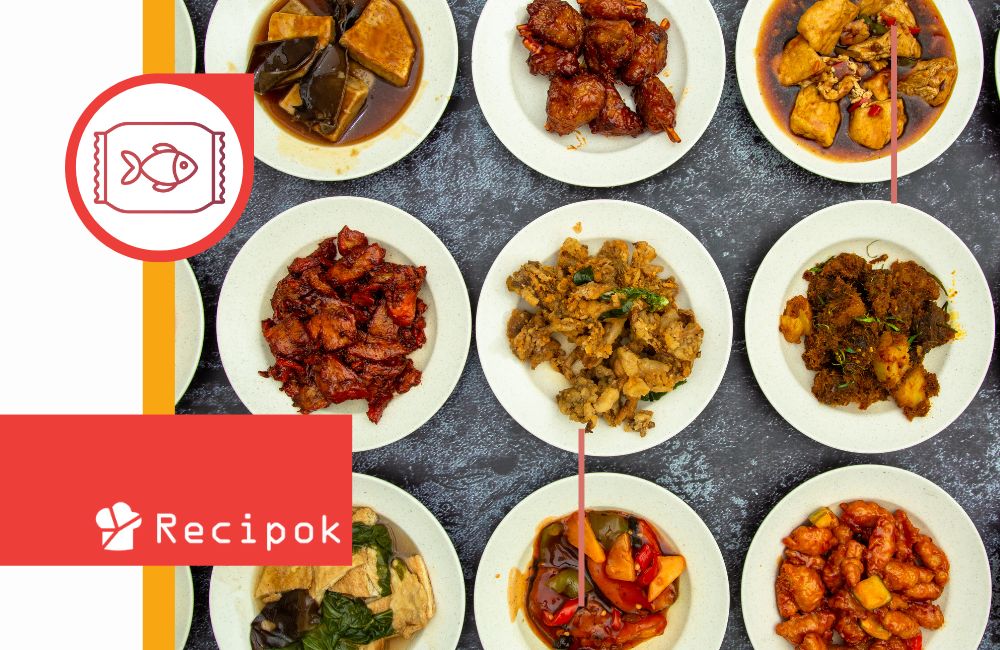
Put plainly: the fifth range is a ready meal or a part-prepared dish. From a sauce or a stock to a complete stew, confit pork cheeks or a rice dish ready to finish.
What it brings
- Consistency. The dish turns out the same every day, whoever makes it.
- Less labour and less time in the kitchen, in a sector where staff are hard to find.
- Longer shelf life than something made on the day, which reduces what gets thrown away.
- Flexibility for events, banquets and catering, where volume and logistics rule.
- Access to labour-intensive preparations that a small kitchen could not make every day.
Why it worries many chefs
- Standardisation. If many restaurants buy the same dish from the same supplier, menus stop being different.
- Less information. With an industrial process added, the chef knows what ingredients the dish contains, but not always where they come from or how they were chosen.
- Texture and flavour. Packing and reheating do not suit every dish equally.
- Loss of craft. If ready-cooked food replaces cooking instead of supporting it, the chef's value is diluted.
- Packaging. Single-use plastic cancels out part of the environmental benefit attributed to lower waste.
Many of these reflections are the same ones we made about pre-mixes and blends in pastry, in semi-finished products and mixes: advantages and dangers.
If you produce ready-cooked food: what sets a good supplier apart
There are ready-cooked food suppliers of outstanding quality. What separates them from the rest:
- Being a help for the chef, not a replacement. Stocks, sauces, long cooking: whatever frees up time for what adds value.
- Transparency. Ingredients, origin and process clearly explained, including in the technical sheet for the trade customer.
- Flawless labelling. Ingredients with allergens emphasised, nutrition information, storage, reheating instructions and use by date, as required by Regulation (EU) 1169/2011 or your country's equivalent.
- Traceability beyond doubt. Whoever sells to hospitality takes on traceability obligations towards their customers: a lot on every pack and every delivery note.
- Costs under control. The balance between quality and price is very fine; without a full costing, with waste, labour and packaging, it is easy to lose money on every tray.
In Recipok all of that comes from the same recipe: the packaging label, the technical sheet for your customers, the lot for each production run and the recipe costing. It is what many central kitchens and catering companies use.
Does the customer notice a dish is ready-cooked?
Often not. Cooking and packing techniques have improved a great deal, and a well-reheated dish can pass for freshly made. That is why the difference lies not in what the customer guesses, but in what you tell them. There is no general obligation to state on the menu that a dish is ready-cooked, but there is an obligation to give allergen information and not to mislead: if you say "homemade", it has to be.

How to defend your own cooking
The only way is to know how to tell people what you do. On your product labels (yes, labelling influences sales), on the menu, on your website, on social media and in emails to your customers: why your dishes are made in-house, why they do not taste exactly the same every day and why they change with the seasons.
And if you use ready-cooked food, let it be as support for reaching that excellence, not as a substitute for it. Compare the real cost of both options with a full recipe costing: making it yourself often comes out better than it seems once waste and time are added up properly.
Conclusion
Ready-cooked food is here to stay and can be a great tool, especially in catering, events and kitchens with few staff. The risk is not in using it, but in letting it replace the craft. Quality, authenticity and the ability to explain them are still what sets a good chef apart.
Originally published in June 2023 and revised in November 2026.